

In Japan, rice is not a side dish, but a staple of every meal from morning to night. Despite eating rice three times a day, the Japanese are among the slimmest and healthiest people in the world. How does this happen? Indeed, it is their cultural habits and control over proper portions of food that keeps them slim.
If you visit the home of a Japanese acquaintance or travel to Japan, you will find that rice is served in every home from breakfast to dinner, that is, breakfast, lunch and dinner, but always in limited quantities.
Indeed, the Japanese eat rice, but their bowl of rice is small, about 140 grams, which provides 200 calories. Their breakfast snacks include rice dishes mixed with fish or vegetables. However, they are prepared in such a way that they do not provide more than 175 calories. The secret to Japanese eating is not to avoid carbohydrates, but to eat them in moderation. This limited amount provides energy without overloading the body.
Soup also helps
Another important part of Japanese eating habits is soup, called miso. They drink a lot of soup. The Japanese drink soup about two to three times a day throughout the year. Starting with soup can reduce total calorie intake by about 20 percent. It’s a simple yet effective way to fill up without overeating, helping Japanese people maintain a healthy weight for a long time. Traditional meals include rice, soup, pickles and other dishes served as a balanced set.
No snacks, no junk food
If there’s one thing that distinguishes Japanese and American food cultures, it’s the lack of overeating. Japanese residents say they are never seen snacking between meals. Eating in public or on the go is considered rude.
In contrast, Americans spend about 20% of their food budget on junk food. Soda alone makes up 9%. This distinction is really important. Avoiding frequent snacking means consuming fewer calories and eating more mindfully.
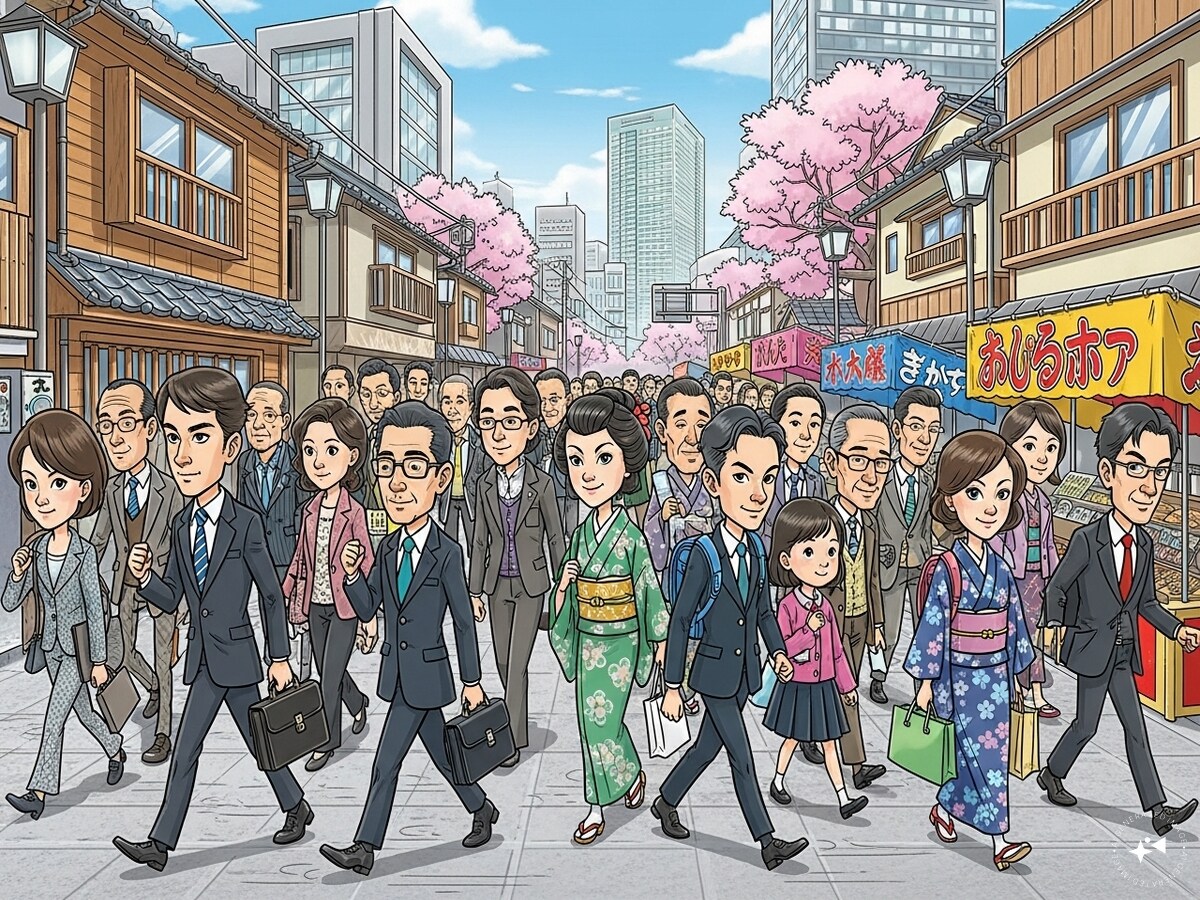
Walking is a key factor, not the gym
Japanese people don’t depend on the gym to stay active. They move around a lot. It is an integral part of their daily routine. They usually like to walk everywhere, considering it a part of life.
– In rural areas, most people travel by foot or bicycle.
– Sitting at home also keeps the body active, as people often sit on a mat instead of slouching on a couch, which uses muscles long paralyzed by furniture in Western countries.
– These short, regular activities help burn calories and keep the body naturally active.
Never waste food
Since childhood, the Japanese have understood the importance of food and never waste it. They never leave a grain of rice in their bowl. There it is unimaginable that you will ask for food again and leave it.
In Japan, overeating isn’t a sin – it’s just considered bad. This moderation in eating is one of the most powerful measures to curb overeating in the country.
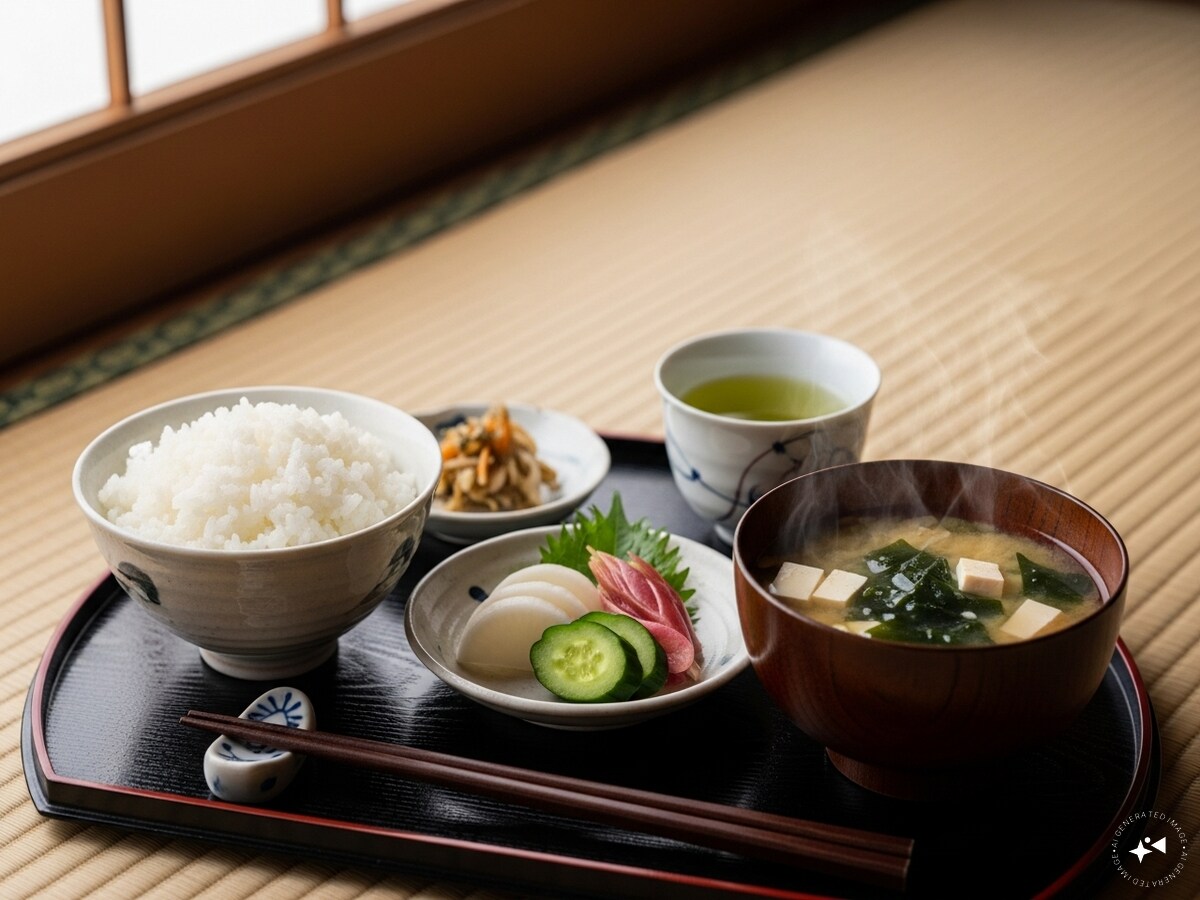
Rice is not the enemy, but excess of it is
Despite adopting a Western-style diet, the Japanese have one of the thinnest populations in the world: only 3.6% are obese, compared to 32% of Americans. The secret is not in avoiding rice, but in their lifestyle and eating habits – eating in moderation, regular physical activity and a balanced diet.
This means that rice is not a health hazard; If eaten in moderation, even a bowl of its carbohydrates can contribute to a long and healthy life.
2000 years of cultivation
Rice cultivation in Japan dates back almost 2000 years. In feudal Japan, the status and income of landowners was measured by rice production. It profoundly affected the structure, governance and economy of Japanese society.
Rice is considered sacred in the Shinto religion. Rice is offered as an offering to the gods. Rice is also used in most festivals. It is considered a life-giving force and a blessing from the gods. There are many words and phrases related to rice in the Japanese language.

&w=360&resize=360,240&ssl=1 "The formula stain on the burner will remove these formulas, just 5 of Rs 5 … – News-Patiala English")
