

Last Updated:
Tips To Take Care Of Heart In Winter: Winter season is not dangerous for the heart, but it is necessary to be careful. If you experience symptoms such as chest discomfort, unusual fatigue, sudden shortness of breath, or a fast heartbeat, especially during cold weather, don’t ignore them.
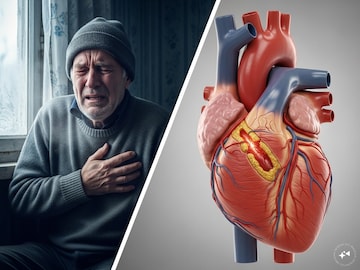
As the cold weather intensifies, cases of heart attacks, high blood pressure and heart problems increase in hospitals. This is not only caused by the cold air but also due to many changes taking place inside the body.
Cardiologist Dr. Max Super Specialty Hospital of Dwarka. Bipin Kumar Dubey says that if someone already has heart disease, blood pressure or diabetes, winters can be even more dangerous for them. However, the good thing is that by understanding the reasons behind them, we can take necessary steps in time.
Why heart diseases increase in winter?
Doctors say that as the temperature drops, our blood vessels automatically constrict to keep the body warm. This forces the heart to work harder to pump blood. In such cases, people who already have blocked arteries or who have BP may experience problems like chest pain or shortness of breath.
Cold causes the arteries to constrict, which naturally increases blood pressure. This increases the risk of heart failure or irregular heartbeat. People with high blood pressure need to be extra careful during winters.
Cold weather makes the blood thick and sticky. This increases the risk of blood clots, which can lead to heart attack or stroke. Drinking plenty of water and doing light exercise can help prevent this.
Climbing stairs, brisk walking, or doing heavy work can be more challenging than usual in the winter. This condition requires more oxygen to the heart, which can increase your risk of complications.
In winter people move less, eat more and sleep less. All these can have adverse effects on the heart. A little exercise, healthy diet and timely checkups can help protect the heart.
December 12, 2025 8:33 PM IST
Heart Problems In Winter: Why do heart problems increase in winter? Cardiologist told 5 facts and prevention measures

&w=360&resize=360,240&ssl=1 "Heavy discount on Amazon Sale, only 6,9999 brands like Samsung, LG")
