

Last Updated:
Toilets are commonly used for both urine and excrement. A dual-flush system is designed to save water during flushing. The small button is only for flushing after urination, which consumes only 3 liters of water. The large button should be used after defecation, which releases about 6 liters of water.
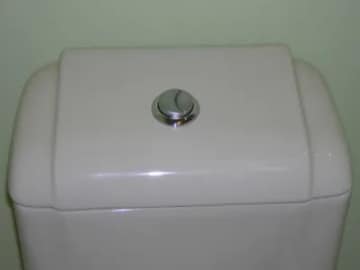
Western commodes have become common in offices, schools, colleges, hotels and restaurants. People now like to install them in their homes as well. But have you ever noticed why these flush toilets have two buttons? Often, people do not use them properly and waste water unknowingly. A small button and a large button—they have different purposes, and it’s important for every user to understand that. Proper flushing not only saves water but can also be beneficial to you and the environment. We will explain how these two buttons work and why pressing them at the same time can sometimes be harmful.
Toilets are commonly used for both urine and excrement. A dual-flush system is designed to save water during flushing. The small button is only for flushing after urination, which consumes only 3 liters of water. The large button should be used after defecation, which releases about 6 liters of water.
Many people inadvertently press both buttons at the same time. This results in excessive water flow and unnecessary wastage. So, always think before you flush: Are you flushing after pee or stool? Save water and help the environment by choosing the right button.
Big or small, the only difference is the amount of water. Learn to push the button as needed and save water wisely in your home or office. This small act of understanding can make a big difference.
December 06, 2025 9:47 PM IST
Do you flush properly? Find out why there are two buttons on the tank. More information

&w=360&resize=360,240&ssl=1 "In the English toilet two buttons two buttons? Do you distinguish between the two")