

- Hindi News
- Lifestyle
- Relationship Chronic Lateness; Girlfriend Vs Irresponsible Boyfriend | Red Flag
1 hour ago
- copy link
Question- I have been in a relationship for the last three years. Our bonding, understanding and chemistry is good in most cases. But one behavior of my partner is constantly troubling me. He is late on almost every occasion. Be it watching a movie, travel plans or even going to office. This is not just a one-time thing, but a pattern.
Whenever I talk about this, he says sorry every time. Gradually I have started to realize that this is not just a problem of time management. Now our relationship is at such a stage where we have to take the decision of marriage, so I am feeling scared thinking about all this. Can it be ignored as a small habit or will it cause relationship dissatisfaction in the future? Is this a serious red flag? What should I do?
Expert: Dr. Jaya Sukul, Clinical Psychologist, Noida
answer- Clinical research suggests that irresponsible attitudes within relationships or families can cause severe emotional stress. You have articulated your emotional stress better. There is good love, bonding and chemistry in your relationship, but still your partner’s irresponsible behavior and his habit of always being late is creating tension. Your asking this question itself shows that this is a serious matter, which you are not able to ignore.
So let us understand it step-by-step whether it is just a habit of being late or there is some deeper issue.
Is procrastination just carelessness?
If a person is repeatedly late and does not arrive on time despite making promises, then it is not just a problem of time management. Not arriving on time is not just a matter of clockwork, it is also a matter of respect.
If there is a delay once or twice, there could be reasons behind it like traffic, fatigue, emergency etc. But if this happens continuously, happens everywhere, from movies to office to meetings, the person is late everywhere then it is a pattern. Patterns always point to something deeper.
What does the pattern of being late indicate?
When someone is repeatedly late, he is not just keeping you waiting, but-
- He doesn’t respect your time.
- He is ignoring your time.
- He is taking your energy expenditure lightly.
- Doesn’t give importance to your planning and preparation.
- Your comfort and emotional state is considered secondary.
All these things together tell me that my time is more important, yours will be adjusted.
These things are often not said, but are clearly visible in practice. Imagine, you are ready and waiting to watch a movie and your partner comes 30 minutes late. During that time your mood, enthusiasm and trust all get affected. This seems like a small thing, but if repeated again and again, it becomes like a big wound.
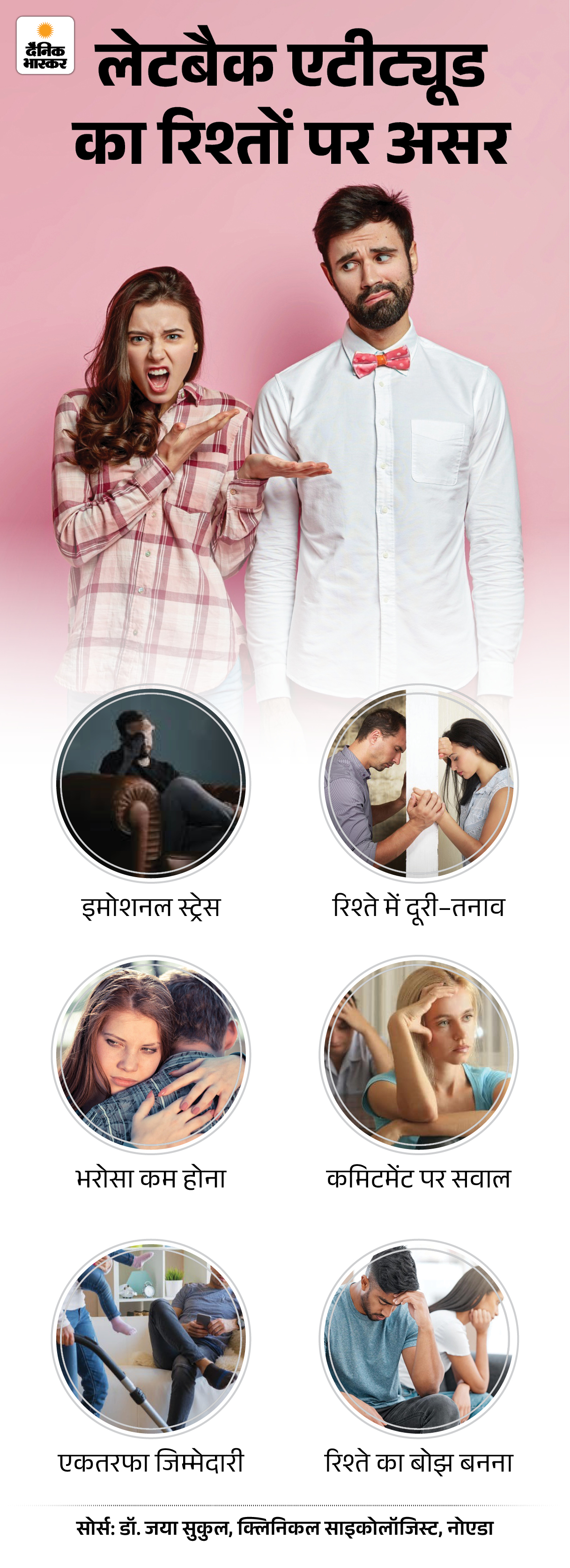
Is it enough to say sorry every time?
There are two types of forgiveness. One in which a person truly accepts his mistake, takes responsibility for it and tries not to repeat that mistake in the future. Second, in which forgiveness is just a tool to end the conflict.
If someone is saying sorry every time, but there is no change in his behavior, then it means that the apology is not being said out of understanding your feelings, but to get out of that situation. Such forgiveness gradually weakens the trust in the relationship.
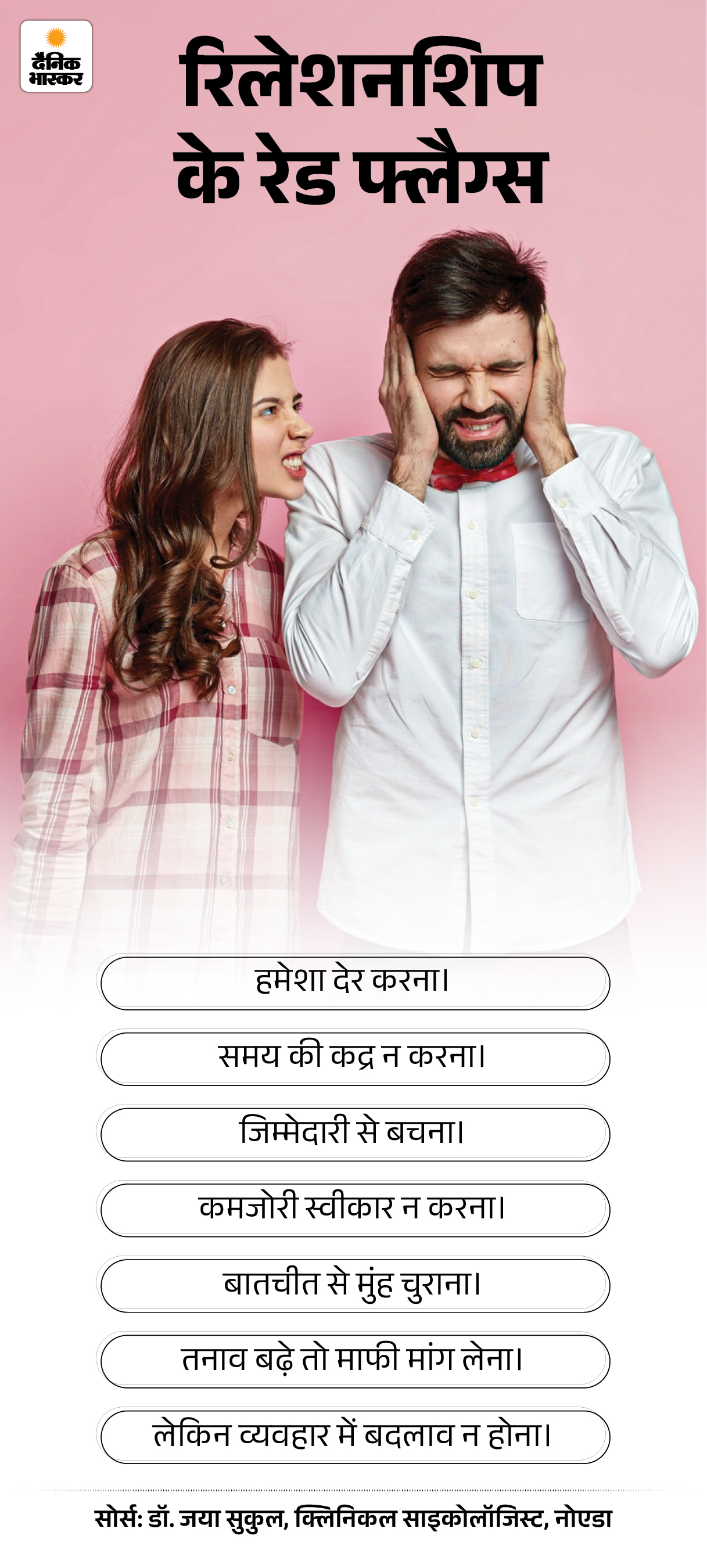
Is this a red flag?
If there is a consistent pattern that even after saying sorry he reaches late everywhere, then it is a red flag. But it is important to understand what this red flag is about.
This red flag does not mean that your partner is a bad person. This red flag says that-
- He may be weak in taking responsibility.
- He may lack understanding of boundaries.
- There is no proper structure of time and work in his life.
- He doesn’t realize the impact his behavior is having on others.
People with such patterns may be good-hearted, but lack self-awareness. This is a red flag because it can cause major problems in later life.
What could be the psychological reasons behind this?
One’s behavior of being constantly late is often linked to these reasons.
upbringing- If there is no emphasis on time, discipline or responsibility in childhood, then the person does not take it seriously even after growing up.
Self-Disrespect- A person who does not value his own time, routine and commitment unknowingly underestimates the time of others as well. The relationship we have with ourselves is also reflected with others.
brain wiring- Some people have trouble controlling impulses, setting priorities, or estimating time correctly. This also happens in conditions like ADHD (Attention Deficit Hyperactivity Disorder), but then the person tries, creates systems. But the question here is, is he trying?
Power Dynamics- Sometimes being late is an unconscious power move, where one person knows the other will adjust. This shows inequality in the relationship.
It is important to know these reasons because they tell whether the problem is superficial or deep. Whatever the reason, however, it is not your responsibility to fix it.
What could be its consequences after marriage?
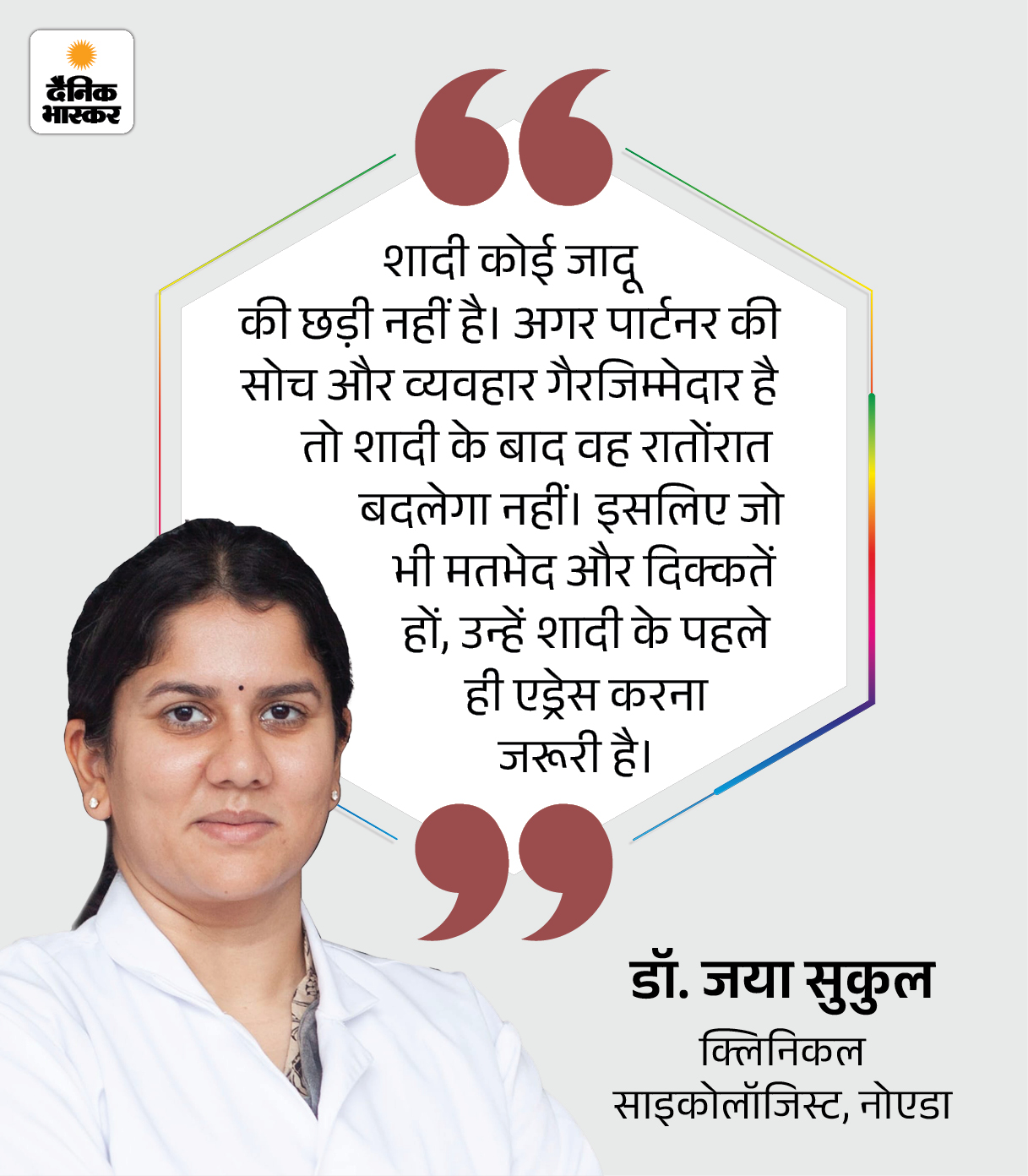
Often people think that everything will be fine after marriage. But the truth is that marriage is not a magic wand. People’s personality, behavior or basic patterns do not change after marriage. After marriage, these patterns emerge more openly and become visible.
Here it is not just about being late for a movie or restaurant. It is a matter of “sense of responsibility”. If a person does not have a sense of responsibility then it gets reflected in small to big things. It is visible even in big, serious issues of life. Such as
- taking responsibility for the relationship
- meeting family commitments
In such a situation, within a family unit, the problem will not only be of being late, but you may also find yourself alone at many places. Life can become more complicated after marriage. Irresponsible patterns of a partner can cause mental fatigue, stress and even depression.
Can it be ignored?
A small habit is one which happens occasionally, for which the person himself takes responsibility and makes an effort to improve it. If this pattern has not changed even in three years, then calling it a small habit would be deceiving ourselves. Respect and trust are the foundation of any relationship. Ignoring it will affect your own happiness.
What should you do?
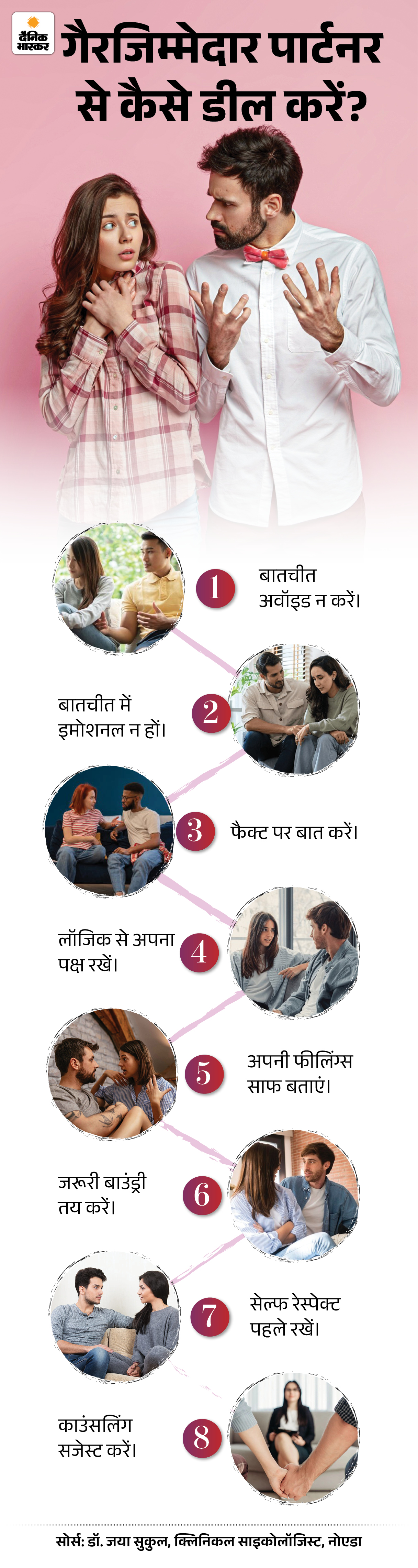
First of all, have a structured conversation, not an emotional one. Instead of telling your partner, “You’re always late,” say, “When you’re late again and again, I feel like my time and preparation don’t matter.” With this he will not become defensive and will understand.
Set clear limits. If the movie is at 6 o’clock, then tell me that I will leave at 6 o’clock. I will not wait again and again. By setting these boundaries he will learn. See all the steps in graphic-
last thing
Love, chemistry and bonding are important in a relationship, but respect, responsibility and willingness to change are equally important. If your partner is understanding his patterns and is ready to work on them, then it is a positive sign. This means that this relationship is equally important for him. In such a situation, possible help can be provided from your side. Counseling can be done, help of CBT therapy can be taken. Help is possible only when the person is ready to take the first step himself.
But if he continues to take it lightly, defends his habits, avoids conversations, and is unwilling to seek counseling, then you need to think about it. You are an adult, sensible and know that our first responsibility is towards ourselves. We can love our loved ones, but cannot force them to change. In the end it is up to us to choose.
…………… Also read this news Relationship Advice – I only pay the movie-restaurant bills: Girlfriend also earns but does not spend money, why is this burden on me only?
You told that both of you work, but you did not tell whether both of you earn equal amount of money? This question is important because if one is earning Rs 1 lakh and the salary of the other is only Rs 20 thousand, then the expectation of equality in expenditure is not reasonable. Read further…

&w=360&resize=360,240&ssl=1 "What is it about alcohol that turns even timid people into lions?")
